Black Knot (Apiosporina morbosa, also known as Dibotryon morbosa) is a fungal infection that targets trees in the Prunus genus, including cherry, plum, and chokecherry. These species are commonly found throughout Red Deer. It spreads through wet, windy weather and can disfigure or even kill affected branches if left untreated.
Why Red Deer Residents Should Be on the Lookout
Black Knot is widespread in Central Alberta, and local monitoring has shown it’s especially common in Mayday and Schubert chokecherry trees around Red Deer County. If left unmanaged, the galls can weaken trees, reduce curb appeal, and attract other pests or diseases.
How to Identify Black Knot
In the early stages, light brown swellings appear on new or soft growth. These are easy to miss. Over the course of one to three years, these swellings turn olive green, then harden into black, tar-like knobby growths. Spores continue to spread from mature galls, infecting more branches and even nearby trees.
The Right Time to Treat
The dormant season (late fall through winter) is the best time to prune. With the leaves gone, galls are more visible, and the spores are less active. Spring is when spores begin to spread, so removing infected branches before then helps prevent new infections.
How to Remove Black Knot Safely
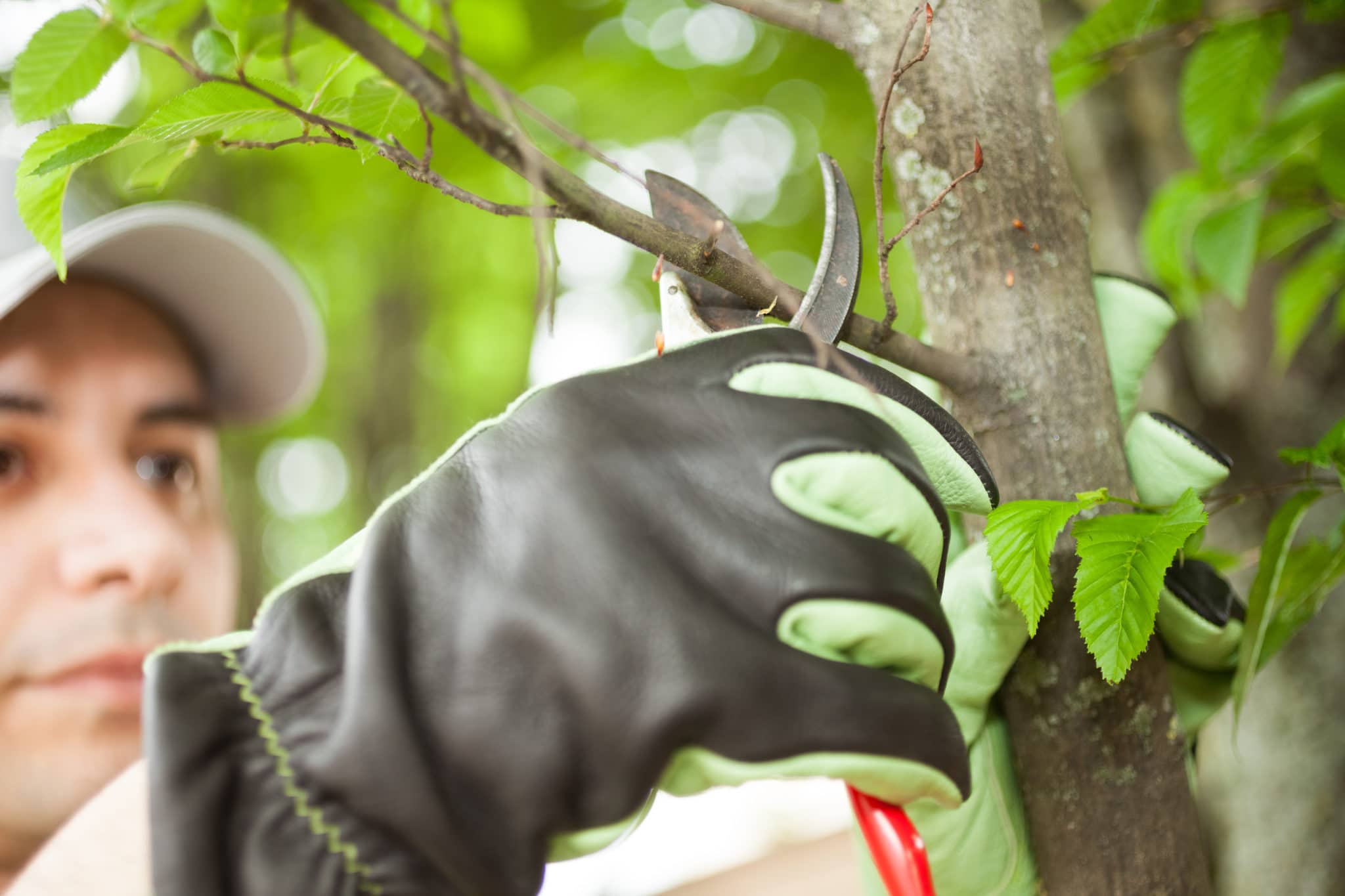
To remove Black Knot effectively, prune infected wood by cutting at least 10 cm below visible galls, ideally at a healthy branch union. Always sterilize tools between each cut using isopropyl alcohol or a diluted bleach solution. Dispose of the infected clippings by burning, burying, or sealing them in plastic bags for landfill disposal. Never compost them. If the infection reaches the trunk or major limbs, tree removal is often the best course of action.
Preventing Black Knot on Your Property
Inspect your trees regularly, particularly if you have ornamental or native cherry or plum species. Encouraging neighbors to monitor their trees can also help, as Black Knot spreads quickly when left unmanaged. Removing wild or unmanaged Prunus trees nearby can reduce the chance of reinfection.
When Tree Removal Becomes the Best Option
In severe cases, Black Knot can compromise a tree beyond recovery. If the disease has reached the main limbs or trunk, removal becomes the safest and most effective way to protect other trees and prevent future problems.
Need Help Now?
Learn more about our Tree Removal and Stump Removal services if your tree is too infected to save. We’re here to help assess the situation and take the right steps. Contact us today for a free estimate.
Summary Checklist
• Inspect trees in winter or early spring
• Prune 10 to 12 cm below any galls
• Sterilize tools between each cut
• Burn, bury, or properly dispose of infected material
• Contact a professional for large or severely infected trees
Sources Cited:
Government Of Alberta Black Knot